Court Records
State-mandated background check programs required for regulated industries like childcare, healthcare, and education. These are statutory requirements, not optional enhancements.
State-run programs. PSBI facilitates the process and manages the paperwork, but government agencies control turnaround.
 BBB Accredited · A+ Rating
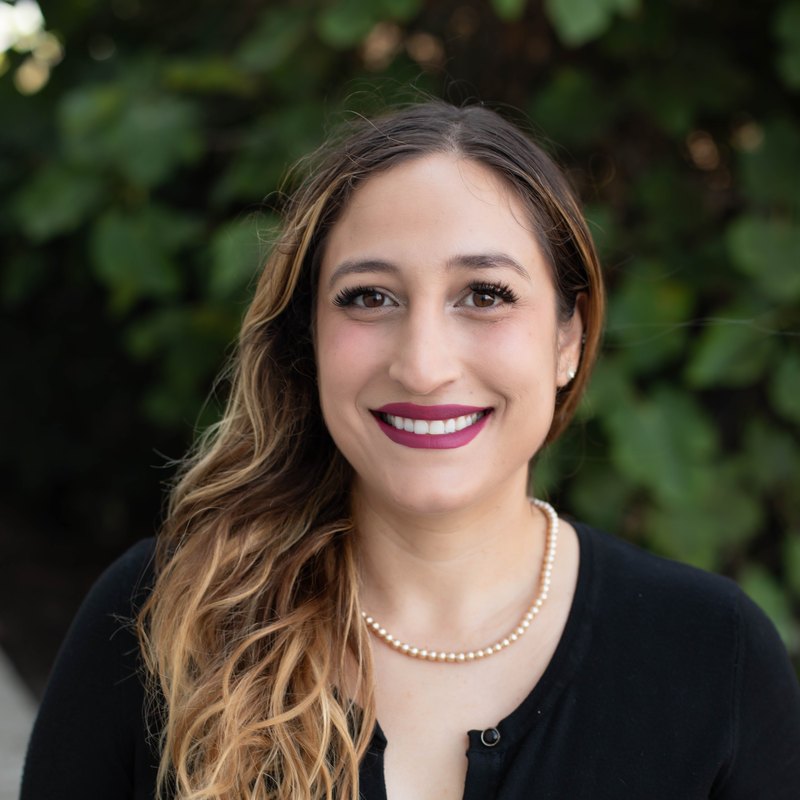 Real people, real support
What's covered
Specialty programs go beyond standard criminal searches, often including child abuse registries, professional licensing checks, and enhanced criminal history reports not available through commercial databases. Requirements vary by state and program.
Comprehensive checks that often exceed standard employment screening, including records not typically available through commercial searches.
State and local child abuse and neglect registries, mandatory in many states for childcare, education, and youth programs.
Records of abuse, neglect, or exploitation of vulnerable adults for positions in healthcare, senior care, and disability services.
Disciplinary actions, sanctions, and license revocations from state professional boards (healthcare, education, etc.).
Many specialty programs require fingerprint-based FBI background checks in addition to state-level searches.
Some programs check records across multiple states, not just the state where the candidate will work.
By state
Most states have at least one specialty background check program for regulated industries. These are some of the most frequently encountered; requirements vary by state and change often.
Access to Criminal History. Required for childcare, elder care, and positions with direct contact with children or vulnerable adults. Includes PA criminal history, child abuse clearance, and FBI fingerprint check.
CACI checks child abuse registry records; CLETS provides law enforcement-level criminal history. Required for childcare, K-12 education, and foster care.
Florida Department of Law Enforcement check. Mandatory for healthcare facilities, childcare providers, and education positions. Includes statewide criminal history and often fingerprinting.
Department of Public Safety check required for certain licensed professions, healthcare workers, and childcare providers. Includes fingerprint-based criminal history and licensing checks.
Division of Criminal Justice Services fingerprint-based check for education, healthcare, and childcare. The Statewide Central Register (SCR) checks child abuse and maltreatment records.
When required
Requirements are triggered by industry, position type, facility accreditation, and state law. These are not discretionary, if the law or licensing board requires a specialty check, it must be completed before employment begins.
State or federal law mandates the specific program for certain positions or industries. Legal requirements that must be met before employment can begin.
Professional licensing boards (nursing, teaching, social work) often require specialty checks as a condition of licensure or employment in licensed facilities.
Healthcare facilities, school districts, and government contractors may require specialty checks as a condition of certification, accreditation, or contract compliance.
Positions with direct access to children, elderly, disabled individuals, or patients typically trigger specialty requirements regardless of industry.
Timelines
Specialty programs operate on government timelines, not commercial screening timelines. Processing varies by state, program, and whether fingerprinting is required.
Most specialty programs take 1-3 weeks to process. Some can be faster (3-5 business days). Fingerprinting or multi-agency coordination can take longer. PSBI cannot accelerate government processing.
Programs requiring fingerprinting add time for scheduling, collection, and FBI processing. Candidates must visit an authorized collection site; PSBI coordinates scheduling where possible.
Some programs require additional consent forms, personal information, or candidate-signed applications beyond standard FCRA disclosures. PSBI manages the paperwork and guides candidates through it.
Related searches
Direct county court searches for criminal and civil records. Most employers combine specialty programs with county searches for comprehensive coverage.
Learn more →Many specialty programs require fingerprint-based FBI or state checks. PSBI coordinates collection and submission as part of the process.
Learn more →Real people
PSBI is owner-operated and US-based, serving organizations for 30+ years. State programs are complex and change often; a real specialist tracks the requirements so you don't have to, not a ticket queue.
 FCRA-compliant30+ years in businessBased in Ashland, WI
Get started
Tell us your industry and the states you hire in. We'll identify the required specialty programs and manage the applications, fingerprinting, and paperwork.